
 true77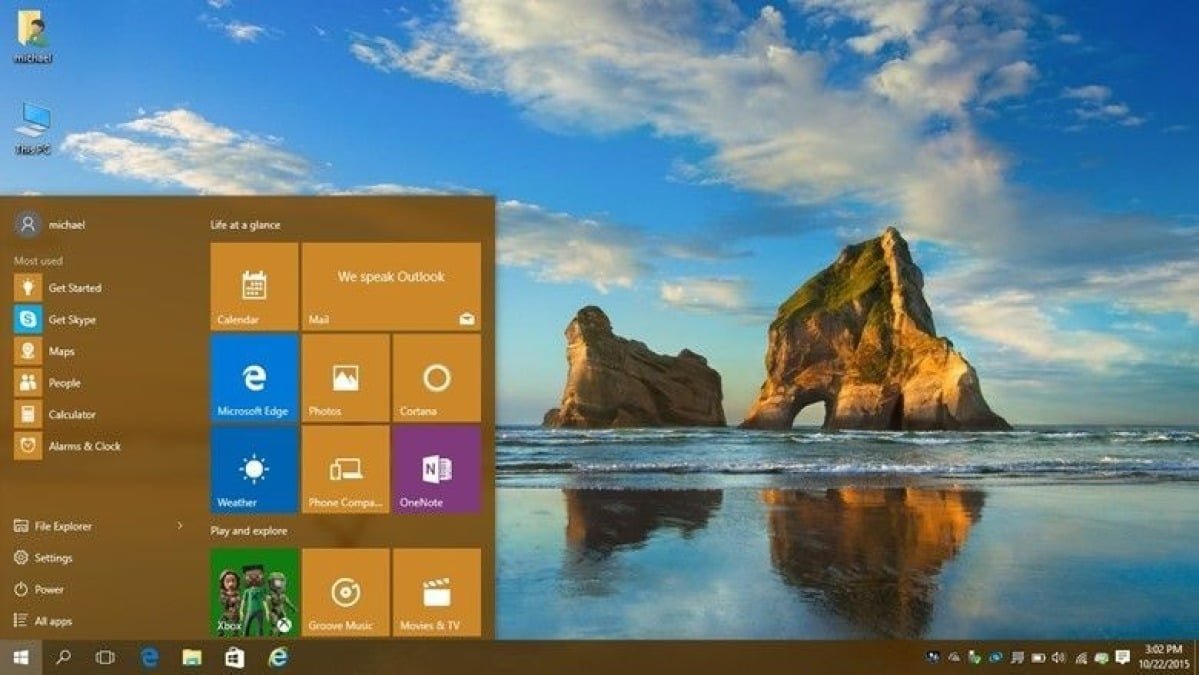
Windows 10 is approaching the end of its life cycle, with Microsoft announcing that by 2025, the operating system will no longer receive free updates and support. This decision comes as Microsoft shifts its focus towards Windows 11 and potentially Windows 12.
The Reasoning Behind Microsoft’s Decision
Microsoft’s decision to end support for Windows 10 stems from the fact that the operating system is nearly a decade old. The company is not willing to provide full support for three different operating systems simultaneously. By phasing out Windows 10, Microsoft aims to encourage users to transition to Windows 11, which is currently available for free on eligible PCs.
Upgrading to Windows 11 is a straightforward and cost-free process. While Windows 11 may not be groundbreaking, it offers a change for users seeking a fresh experience without straying too far from familiarity. Alternatively, users can continue using Windows 10 without paying for updates, but this leaves them vulnerable to potential security risks.
Potential Future Developments
Rumors suggest that Windows 12 may be released in 2024, although details are scarce. Unlike Windows 11, Windows 12 is unlikely to be a free update; however, it promises exciting advancements in artificial intelligence. Another option for users is to switch to Linux if they prefer.