 true77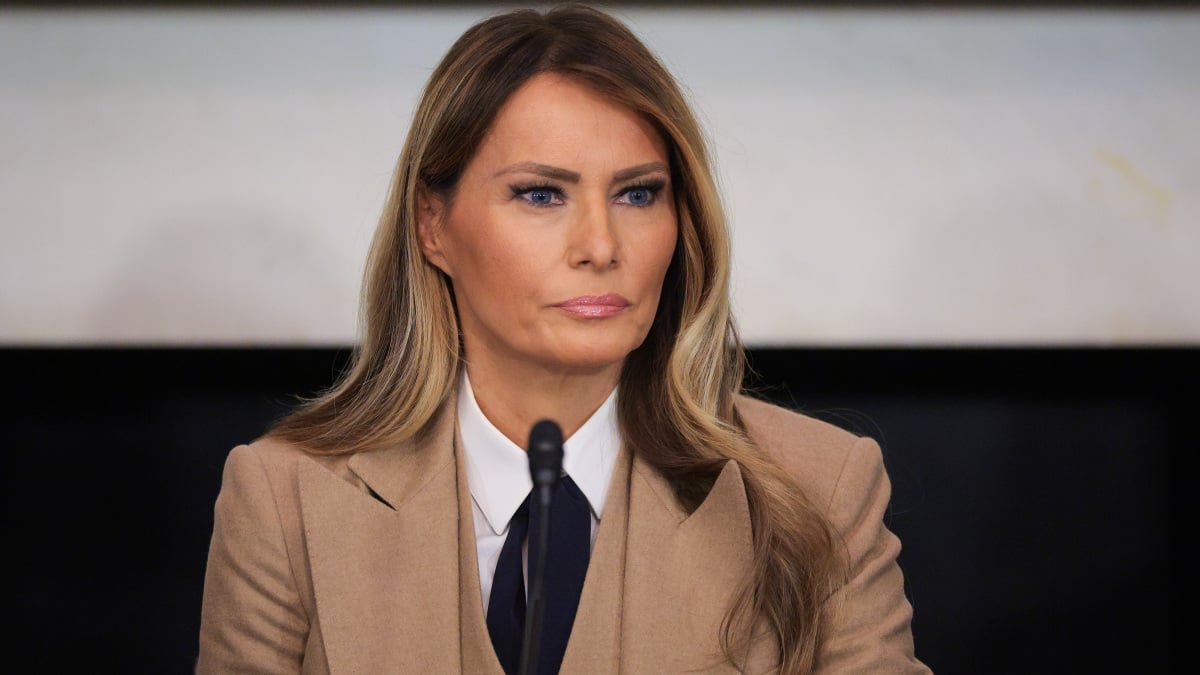
On Monday, First Lady Melania Trump voiced her support for the TAKE IT DOWN Act, a legislative proposal aimed at combating the proliferation of deepfakes. These AI-generated videos and images have become a growing concern, particularly due to the creation of nonconsensual explicit content involving individuals’ likeness. While celebrities like Taylor Swift have been targeted in the past, everyday people, often women, are also at risk of being deepfaked, with potential negative impacts on their mental health.
### What is the TAKE IT DOWN Act?
The Senate recently approved the TAKE IT DOWN Act, which would criminalize the publication or threat of publication of explicit imagery without consent, including AI-generated content. This bipartisan bill, supported by members such as Republican Sen. Ted Cruz and Democratic Sen. Amy Klobuchar, also mandates social media platforms to promptly remove such material within 48 hours to prevent further dissemination. While the intention behind the Act is to protect individuals, some organizations have raised concerns regarding its potential impact on free speech and other forms of expression.
### Why is the TAKE IT DOWN Act controversial?
Groups like the Electronic Frontier Foundation and the Woodhull Freedom Foundation have expressed reservations about the Act, fearing that its current language could result in the removal of consensual explicit content, journalism, or political speech. Moreover, there are apprehensions that the Act may lead to the implementation of automatic filters, which could erroneously flag legal content and jeopardize end-to-end encryption. Despite these concerns, the House of Representatives is anticipated to vote on the bill in the near future.