
 true77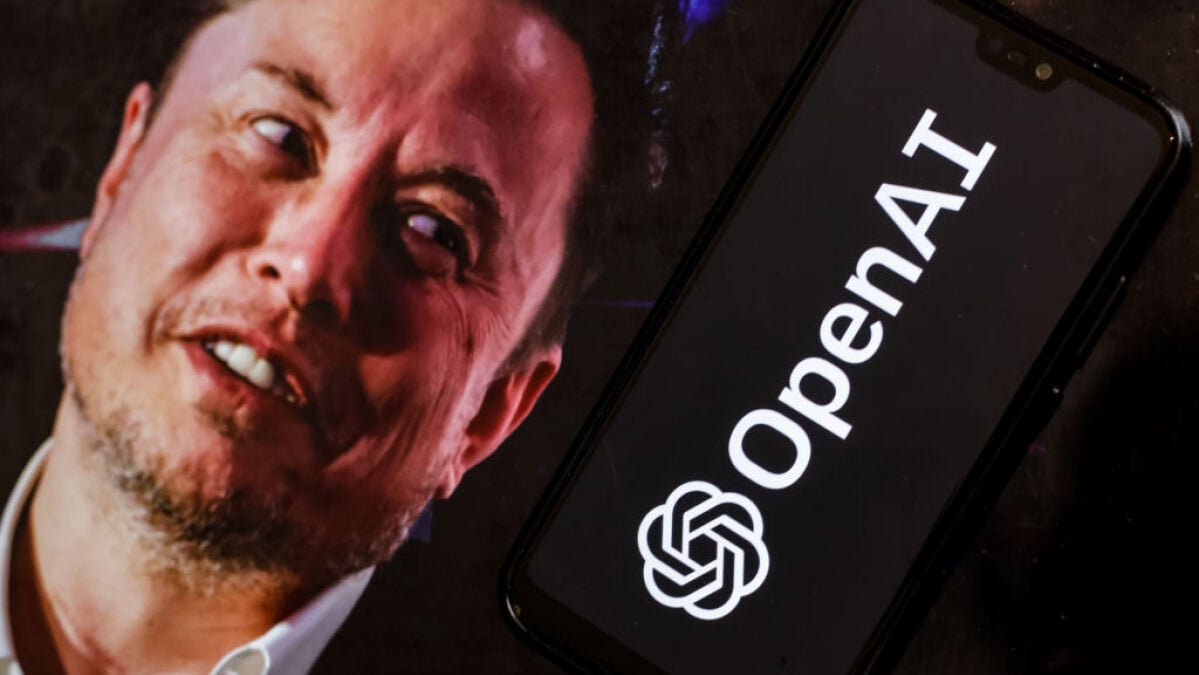
Despite OpenAI’s decision to backtrack on becoming a traditional for-profit entity, Elon Musk is proceeding with his lawsuit against the company. Musk’s lawyer, Marc Toberoff, expressed concerns about OpenAI still developing closed-source AI for the benefit of its stakeholders. The company plans to transition to a Public Benefit Corporation (PBC) governed by a nonprofit entity, but Toberoff criticized the reduced ownership stake the nonprofit will receive in Altman’s for-profit enterprise.
OpenAI’s move to remain a capped for-profit organization was a significant shift for the company, valued at $300 billion. Musk, an early funder of OpenAI, sued the company for breach of contract after it restructured as a for-profit entity, alleging deception regarding its altruistic mission. Despite attempts to buy OpenAI for $97.4 billion, which the company rejected, Musk’s lawsuit continues amid concerns about the company’s restructuring.
Recent developments include OpenAI’s acquisition of Windsurf for $3 billion, raising questions about its impact on ChatGPT. Additionally, the company rolled back its ChatGPT 4o model for being perceived as too much of a suck-up. Elon Musk’s X also faced challenges, losing 11 million users in the EU over the past 5 months.
While OpenAI may have addressed some concerns raised by former staff and AI community leaders, Musk’s lawsuit reflects the ongoing dispute over the company’s direction. The tension between OpenAI and Musk highlights the complexities surrounding the development of AI technology in today’s landscape.