 true77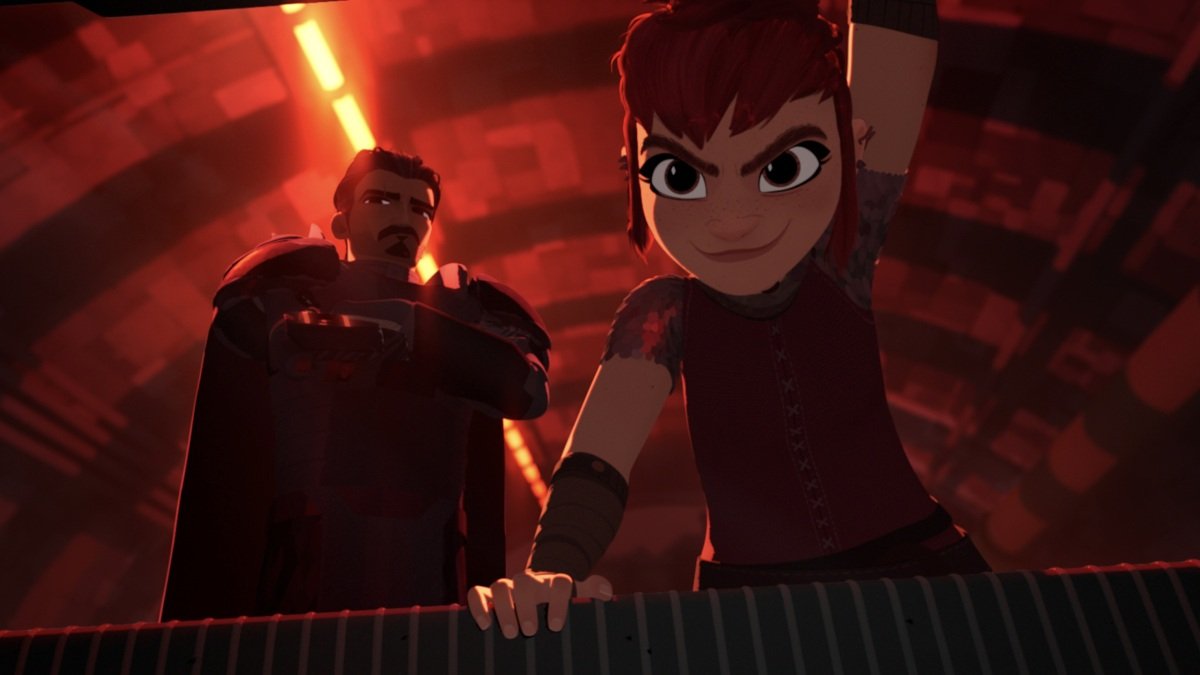
Netflix’s animated film Nimona went through a tumultuous journey from page to screen before finally making it to our screens. Based on ND Stevenson’s graphic novel, the film was initially canceled at Fox’s Blue Sky Studios but was later revived by Annapurna Pictures and Netflix. The story follows a mischievous shapeshifter and a rogue knight in a futuristic medieval world, delving into themes of individuality, identity, and acceptance, especially resonating with the queer community.
Plot and Adaptation
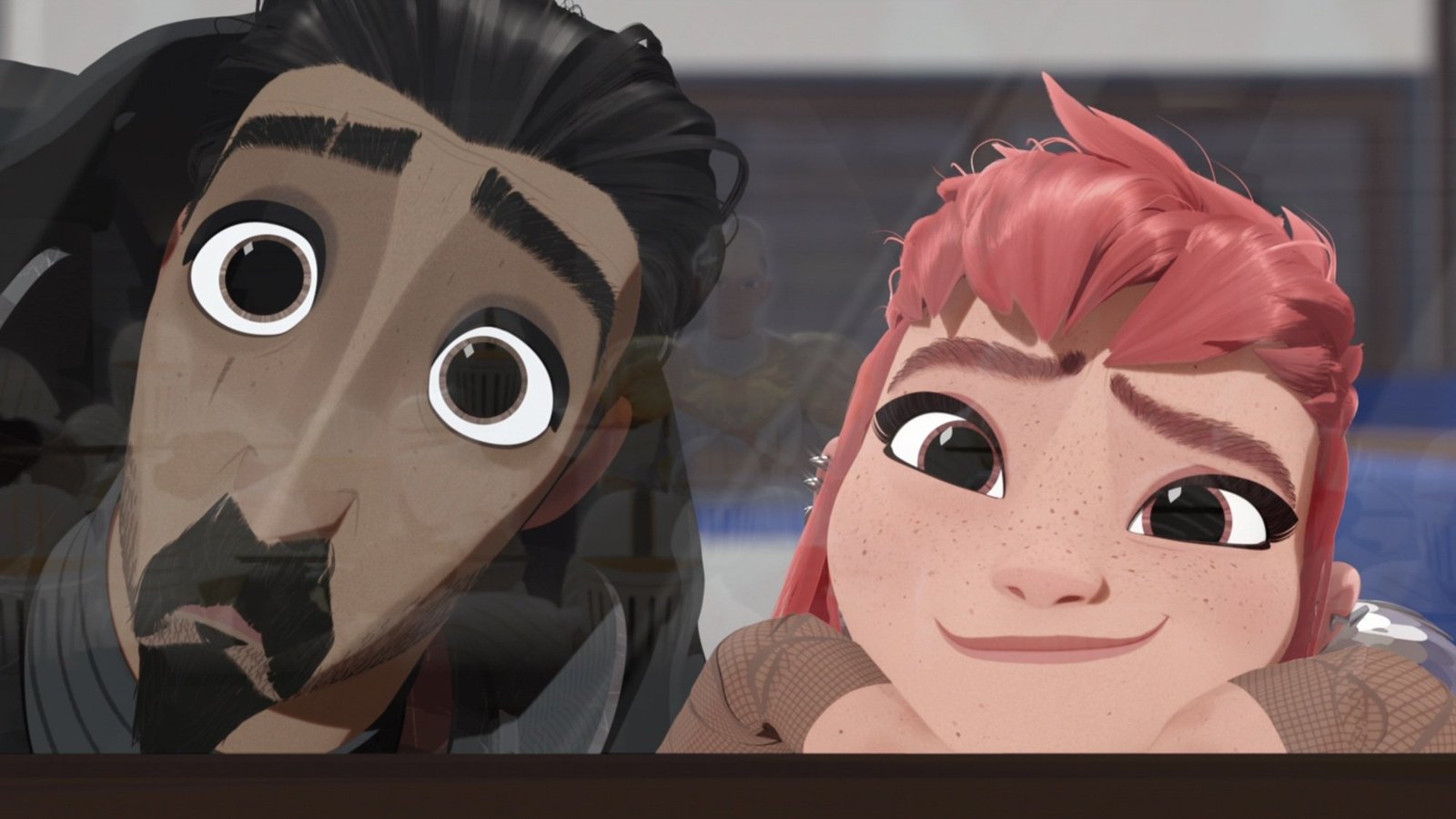
The film follows Sir Ballister Boldheart, framed for a crime he didn’t commit, who teams up with the shapeshifter Nimona to take down the real evil plaguing their kingdom. While the movie diverges from the graphic novel in some plot points, the characters and their relationships remain faithful to the source material, delivering a compelling narrative of outcasts fighting for justice.
Action and Animation
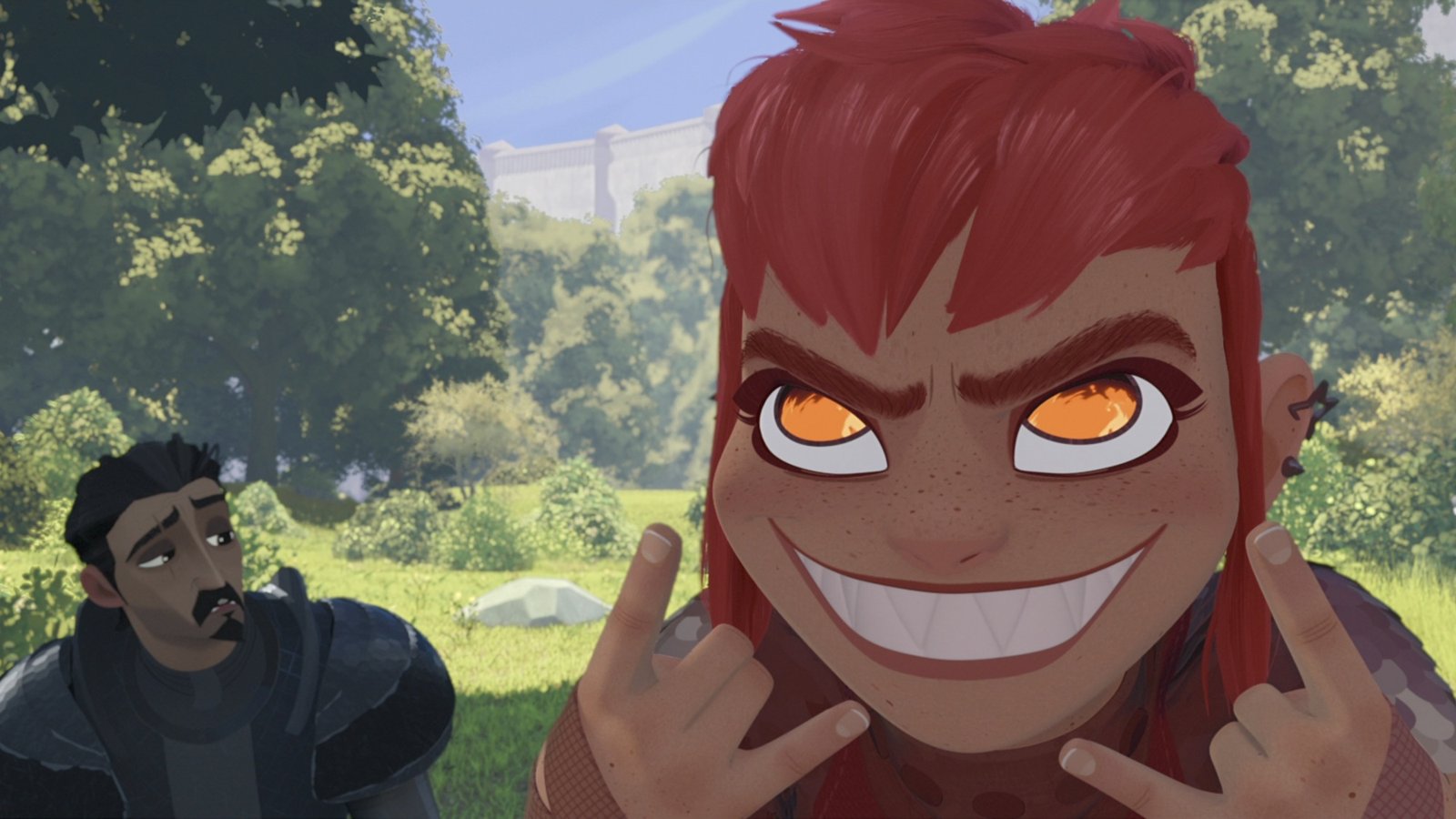
Nimona showcases a unique blend of 3D and 2D animation styles, bringing to life thrilling action sequences and a visually stunning world that merges medieval aesthetics with futuristic technology. The film’s animation not only entertains with dynamic shapeshifting abilities but also adds depth to the world-building, creating a vibrant and immersive setting for the characters’ adventures.
Nimona: A Celebration of Individuality and Acceptance
Another element of Nimona that might especially resonate with queer viewers is Nimona herself. Throughout the film, Nimona is treated like a monster due to her differences. Ballister often questions her powers — why does she shift at all? Wouldn’t it be easier just to stay a girl? Nimona expresses frustration at these “small-minded questions” and at the Institute’s insistence on maintaining a rigid status quo. She doesn’t want to fit into a neat little box for the comfort of others. When asked “what” she is, she simply replies, “I’m Nimona.”
Trans Allegories in Nimona
Nimona may never outright discuss transness and gender nonconformity, but moments like those leave no doubt about the trans allegories in Nimona. Nimona is able to change shape at will, and as she tells Ballister, not being able to change feels akin to dying. It’s who she is, so why should she try to repress it?
Transness was present in Stevenson’s original graphic novel, and since writing it, Stevenson himself has come out as trans-masculine and even written in his Substack about revisiting Nimona post-coming out. That these themes are given so much space in the film adaptation is one of the great wonders of Nimona. It doesn’t shy away from its source material’s queerness at all, to the point that it’s honestly hard to imagine what Nimona would have looked like coming from Disney, a studio notorious for its “exclusively gay moments.”
Exploring Themes of Individuality and Acceptance
The film also heads into some heavier territory, exploring ideas of self-harm and suicidal ideation, threats that LGBTQ youth and especially trans youth face due to their mistreatment. Like with Nimona’s nonconformity, Nimona handles this darker subject matter with care, sensitivity, and empathy. We see that with Ballister’s arc throughout the film, as he works toward understanding and accepting Nimona for who she truly is. Anyone who has ever felt different from the so-called “norm” will see themselves in Nimona, but it’s important to see yourself in Ballister too, and to recognize that we all have the ability (and obligation) to understand and treat others with the respect they deserve.
Nimona balances these more intense themes with a healthy touch of absurdity, whether that’s Nimona’s penchant for asking morbid questions or a cute scene involving her dancing in shark form. Yet the film never loses sight of the absolutely necessary celebration of individuality and acceptance at its core. Like its titular character, Nimona contains multitudes: It’s bold and rebellious, hilarious and heartfelt, and an overall vital watch.
Nimona is now streaming on Netflix.
Topics
Film
Netflix
Streaming