 true77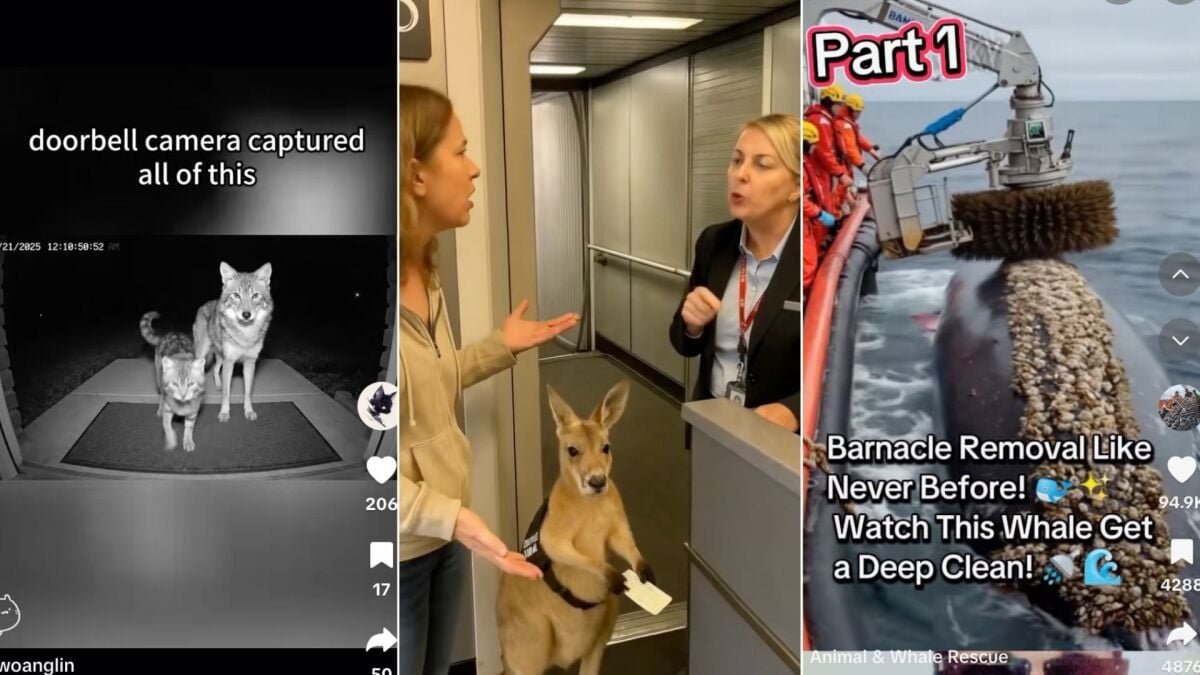
AI-generated video is seriously stepping up its game. Like, to the point where we’re all scrolling through feeds filled with picture-perfect clips that look almost too good to be true. I mean, who wouldn’t want to watch impossibly cute animals bouncing around on trampolines, right?
But here’s the thing: with AI content blending seamlessly into our daily scroll, it’s getting harder to separate fact from fiction. So, how do we spot the difference? Well, there’s no foolproof checklist for identifying AI-generated videos. As AI research scientist Negar Kamali puts it, even if we don’t spot any obvious flaws, we can’t always be sure what’s real and what’s not.
The rise of ultra-realistic AI tools like OpenAI’s Sora and Google Veo 3 only adds to the challenge. These platforms can now create cinematic clips with realistic lighting, complex camera movements, and believable textures, blurring the line between AI-generated content and human-shot footage. It takes a keen eye and a healthy dose of skepticism to spot the “tells” in viral AI videos these days.
How to Spot AI-Generated Videos
1. Look at the context first: Many AI videos are staged in specific scenarios, often using dark filters to hide glitches. Pay attention to the setting and lighting to catch any inconsistencies.
2. Check for missing device hallmarks: If a video claims to come from a security feed, look for timestamps, logos, and overlays. A lack of these details could be a red flag, but their presence doesn’t guarantee authenticity.
3. Watch the physics: Real-world motion follows real-world rules. Keep an eye out for unnatural movements, like animals executing perfectly timed jumps or whales sucking workers into ship decks. If something seems too perfect, it might just be AI at work.
Check out this TikTok video of a whale getting a deep clean with some high-tech machinery. #rescue #OceanWildlife #DeepSeaCreatures #SaveTheWhales #big #DolphinLovers #SaveTheOcean #seahorse #ship #barnacles #SeaGiants #WhaleWatching #OceanVibes #animals #animalsoftiktok #reacuedog #DolphinRescue
♬ original sound – Life Saviours
Additional Tips to Identify AI-Generated Content
4. Mind the runtime: Keep an eye on video length – shorter clips are often used to hide flaws in AI-generated content. Be wary if a longer video is made up of very short clips stitched together, as most AI models can only produce short clips.
5. Listen for sound (or the lack of it): Synthetic clips may have strangely clean audio or lack ambient noise altogether. Pay attention to the sound in videos as it can be a big clue to their authenticity.
6. Spot AI-text artifacts: AI struggles with legible writing, so look out for distorted or gibberish text in videos. If something feels off, it might just be AI-generated content.
7. Watch for impossible movements: AI creations often lack subtle movements that humans and animals naturally have. Keep an eye out for bizarre inconsistencies or impossible movements in videos.
8. Look for (or notice the absence of) watermarks: Some AI video generators embed watermarks to identify synthetic content. Keep an eye out for these marks, but remember that they can sometimes be removed from viral videos.
9. Check the account’s history: So, you’re scrolling through your feed and come across a video that just doesn’t seem quite right. Chances are, that video was whipped up by one of those AI slop farmers. Yup, you heard me right. These folks are cranking out AI videos like there’s no tomorrow. But don’t worry, I’ve got a pro tip for you: if you suspect a video is AI-generated, do a quick background check on the account. More often than not, you’ll see a laundry list of nearly identical AI videos posted in a short timeframe. And that, my friend, is your cue that what you just watched was made by a robot.
Topics: Artificial Intelligence, Social Media