 true77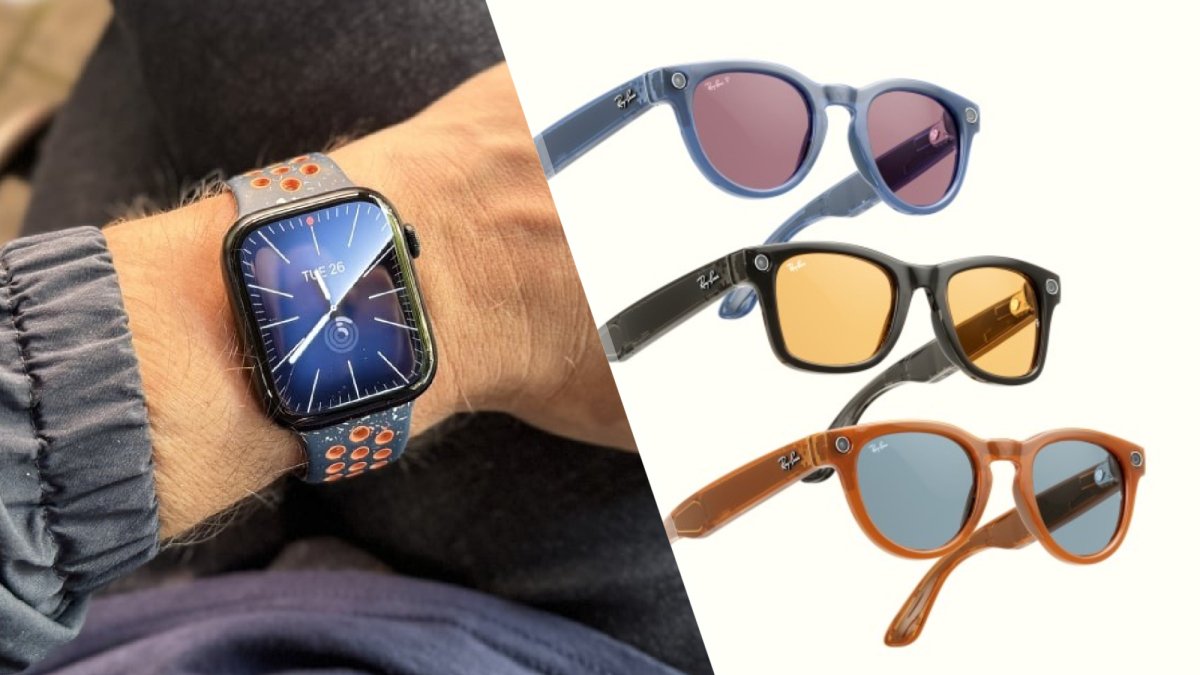
No, I’m not a technological pessimist. On the contrary, dear reader. There is a plethora of new tech features that I’ve been quite enthusiastic about lately, including iPhone 15 Pro’s Action Button, iOS 17 Name Drop, and ChatGPT Plus’ “Make it More.” However, there are other tech features released this year that left me puzzled, thinking, “Why is this a thing?” Without further ado, here are the most overrated tech features of 2023.
### Pixel 8 Pro’s temperature sensor
One of the most highly anticipated features of the Pixel 8 Pro was the built-in thermometer. Whispers of this temperature sensor grew louder as the Made by Google event approached its launch on Oct. 4. However, when Google finally announced it, the search engine giant hastily explained it as an object reader that can determine the thermals of your baby’s milk or a searing-hot pan. What about the leaked video that showed a woman taking her forehead temperature with the Pixel 8 Pro? Where’s that thermometer? As it turns out, the Pixel 8 Pro’s temperature sensor lacks FDA approval, so it hasn’t been cleared to be marketed as something suitable for use on humans. Without FDA approval, the Pixel 8 Pro’s temperature feature seems a bit gimmicky.
### Meta AI
Meta, formerly known as Facebook, introduced its answer to ChatGPT, Meta AI, during the Meta Connect event. Although OpenAI’s model can be inaccurate and rough around the edges, you’ll appreciate ChatGPT when you encounter Meta AI. Initially, the social media giant incorporated Meta AI into the new Ray-Ban Meta Smart Glasses, which began shipping on Oct. 17. As a Ray-Ban Meta Smart Glasses owner, unfortunately, Meta AI still needs some refinement. While it excels in voice commands, it falls short in answering questions. Meta AI leans more towards Siri than ChatGPT, but it is still in its early stages, and with time, it may evolve into a more sophisticated model.
### Personas
Meta AI is the foundation of Personas, which I felt deserved its own section. If the tech world handed out Razzie Awards, I would present one to the peculiar AI avatars Mark Zuckerberg showcased at Meta Connect. The Meta CEO promoted these AI avatars as personal assistants, using the likeness of well-known celebrities like Snoop Dogg, Paris Hilton, and Kendall Jenner. During the presentation, Zuckerberg failed to acknowledge that these were celebrities, referring to Snoop Dogg’s AI avatar as “The Dungeon Master.” It appears that Meta paid for the image rights of these high-profile figures without securing the rights to use the stars’ names with the Meta AI product. If you’ve interacted with any of these Personas, the experience is undeniably bizarre, reminiscent of a ‘Black Mirror’ episode. No, thank you!
Evolution of Double Tap Feature
Despite the recent buzz surrounding Double Tap, it is important to note that this feature is not entirely new. In fact, as highlighted by DigitalTrends and various users and accessibility advocates, Double Tap has been available since the Apple Watch Series 4. This functionality was introduced through an accessibility feature known as Assistive Touch, designed to assist individuals who may have difficulty with physical button presses or screen interactions.
Comparison with AssistiveTouch
Christine Romero-Chan from DigitalTrends shared her experience with the AssistiveTouch feature on the original Apple Watch Ultra, noting similarities between the Double Pinch gesture and the Double Tap functionality showcased by Apple. While the Double Tap feature on the S9 boasts enhanced sophistication due to its neural engine, it bears a resemblance to the AssistiveTouch capability on previous Apple Watch models.
Although Mashable’s Crystal Bell and Stan Schroeder possess the new Watch Series 9, they do not frequently utilize the Double Tap feature. While their usage patterns may not be representative of all Apple users, their limited engagement with Double Tap suggests that the feature may be slightly overhyped within the tech community.